Categories
Community Stories of Power Tools and Tips

“I’m not Your Daddy” – What Carlos Castaneda told me

It was a Sunday morning in the winter of 1996. The sunlight was shining through the tall windows of the main auditorium, warming the air. The white walls and green carpet seemed to glow as if they had been renovated over the weekend. The seminar participants around me were smiling with sparkling eyes, and I felt like I had more space to breathe.

I had flown from Los Angeles to Oakland with Carlos Castaneda and his students to lead a workshop on vitality and energy Redistribution. The workshop at Holy Names College began on Friday evening with a two-hour lecture in which Castaneda shared stories of what he learned from his teacher don Juan Matus, a leader of a lineage of shamans from ancient Mexico. Castaneda emphasized the practice of the movements not only to boost strength and stamina and to enhance alertness and a general sense of wellbeing, but also to awaken a sense of purpose in one’s life. He introduced the Warrior’s Way as a collection of believes and behaviors to support individuals to reach states of inner authority and freedom. 

“It is your birthright,” he said from the stage, looking directly to the eyes of participants on the front row.  He was walking elegantly across the stage, dressed in a dark brown suit and black shoes. The birthright he was referring to was the internal authority to choose freely—to discern what is good for life and choose what is worthwhile, to walk paths with heart.

Carlos Castaneda ran a company to promote his work: I was hired as an instructor just a few months before the seminar. I followed a rigorous physical training that included a complete change of diet (no sugar, not even an apple, no salt, no flour, no caffeine or stimulants and only home cooked meals), long hours of movement practice every day, and a complete change of attitude towards life. I worked during the day, and in the evenings, I attended the public school to learn English. 

It was not in my plans to join his company or to move to the United States. I came from Argentina on a two-week vacation to attend one of his workshops. I traveled with friends and never thought of staying. I didn’t have the money, the talent, or the courage to even think about it. I had negative thoughts towards myself: I grew up hearing “Shut up, you’re a woman and you don’t know anything.” One of my brothers repeated it to me daily and his voice echoed in my head through the years. I had internalized that voice as mine without questioning it.

Until the day, in my first workshop in Culver City high school cafeteria in Los Angeles, when I experienced something different, as if the noise that the internalized voice produced had suddenly stopped. It was like when you unplug the fridge and realize the noise it made, and you are suddenly embraced by silence. My tummy relaxed and I felt my weight on the ground, as if I had finally landed on Earth. Gravitational forces were welcoming me, I felt joy even in my bones. Despite not knowing English and listen to a translation of what was said from the stage, I felt that I could understand beyond words.

Everything seemed to welcome me: At the entrance, the organizers greeted me as if they knew me, the three women on the stage smiled at me when I walked by, a person gave me his mat to sit on and I hugged the large group of Latinos, with whom I shared lunch in the breaks. It was a feeling of being in sync with life. The energetic passes practiced in unison increasing the feeling of camaraderie, like when you go to a concerts and you can all sing the same song because you know the lyrics by heart. It was a sense of oneness and that anything is possible, that made me feel free, and that I belonged.

It was playing sports that brought me back to life after I fell ill with rheumatic fever at the age of 8. Skin and bones, paralyzed in bed and abused by relatives, it was joining a swimming class and feeling supported by the warm water that made me want to be alive. My muscles ached because my chest was having to expand, but my eyes could look up again. Playing on a volleyball team, I experienced working with others for the same goal and belonging, something I couldn’t feel at home. To experience this deep sense of connection with others, that I so longed for, helped me make the decision to stay in Los Angeles. I said yes to Castaneda’s job offer: I could study, work with women and serve a bigger purpose. I didn’t stay because I wanted to be close to Castaneda. I stayed because it was my chance to reclaim my connection to life.

Oakland was my second workshop as an instructor: there were three stages in the big room with around 300 participants, divided into three groups dispersed around each stage. On Sunday morning, I was standing on the stage next to the main door, following a sequence of movements for readiness and precision. 

Being on stage and being a part of this group of women warriors challenged all my family’s beliefs. I was breaking the pattern of my lineage where women were destined to be secretaries and to serve their husbands at home. The stress created by wanting to perform without mistakes and the mourning of what was breaking in me created an internal friction that drove me to an edge. I was facing my enemies. In the early Saturday session, a Spaniard with a strong accent and deep voice, holding my arm tightly and angrily, asked me “Why are you on stage now, if you were a participant a few months ago?”. He reminded me of my brother. A part of me wanted to disappear into the crowd and be a participant. After all, I didn’t look so good: I had gained weight with the new diet and I felt bloated. My inner voice kept insisting that I was useless, and with the same force, another voice was growing and expressing “let me be free.” I was fighting the dragon and, defeating the urge to shrink with each breath and movement.

Castaneda decided to change the question-and-answer session that would end the workshop, to another movement session and came to the stage where I was standing to explain the details. In jeans, with a cream-colored shirt and New Balance sneakers, he moved with ease and flexibility as if stress could never reach his body. His left hand was in his pocket, and his right hand demonstrated the movements. I can see him as clear today as if time had not passed.

Suddenly, a large mass of participants rushed towards our stage. Castaneda signaled everyone to go back and assured them that he would jump to the other two stages, but no one listened. Then he went to the second stage and explained the same details: to keep the thumbs near the index fingers with a flat palm of the hands, as one performs circles, and to keep the eyes at the horizon level. The great mass of participants followed him. With a tight smile, he made it clear to everyone that they didn’t have to follow him: the magic would be found in what they discovered when they practiced the movements. He even challenged them:

“Those of you who have already heard what I say, stay here and practice the movements: I am going to jump to the third stage, you do not need to follow me.” But most of the people followed him, as if blinded by an almost hysterical euphoria.

On the third stage, his smile faded, and his voice sounded metallic:

“Please, I don’t want followers, I’m not your daddy…,” he repeated several times, as if looking for a way out of his feelings rising and about to erupt. I don’t remember his exact words, but he said something like: 

“Go home and recap what you have learned. Get together with others and practice. This is how you can get closer to me, by becoming practitioners, and using your energy to change your lives.”

That same afternoon we flew back to Los Angeles. In the plane, Castaneda was sitting in front of me in tourist class in complete silence. The next day he called me to cancel our daily practice. He explained that he had fallen ill and needed to rest. The sinister image of the participants following him from stage to stage at the seminar haunted him. He said that people will not understand what he was trying to do. He hated personal attention and being put on a pedestal, and treated like a celebrity. Since he wrote the Teachings of don Juan, he had spent a lot of time in anonymity. At the end of the phone call he changed his mind, “Come over, let’s work in the garden and prunes the trees, that may help to clear the shadow.” Castaneda did not travel again and this workshop was one of his last public appearances.

Recapitulating that Sunday afternoon in Oakland from the position of who I am today after almost 30 years of travelling and teaching Castaneda’s work all over the world, I realize that I have been on the stage enough times to understand that the message is the priority, not the messenger. Now I can speak English fluently and I can recognize my true voice, so I can say to participants with conviction: “Close your eyes, call on your internal authority, do not lose your integrity, follow the authority of your heart, follow your own voice.”
Categories
Community Events Stories of Power Tools and Tips

Experiencing Freedom in Mexico!

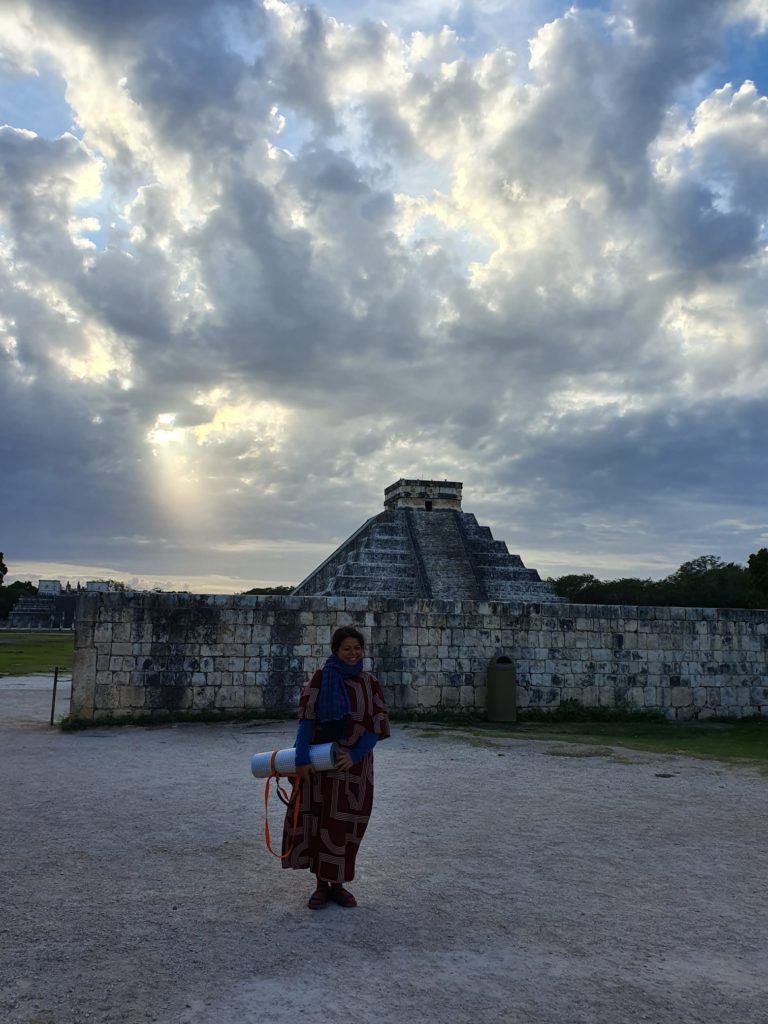
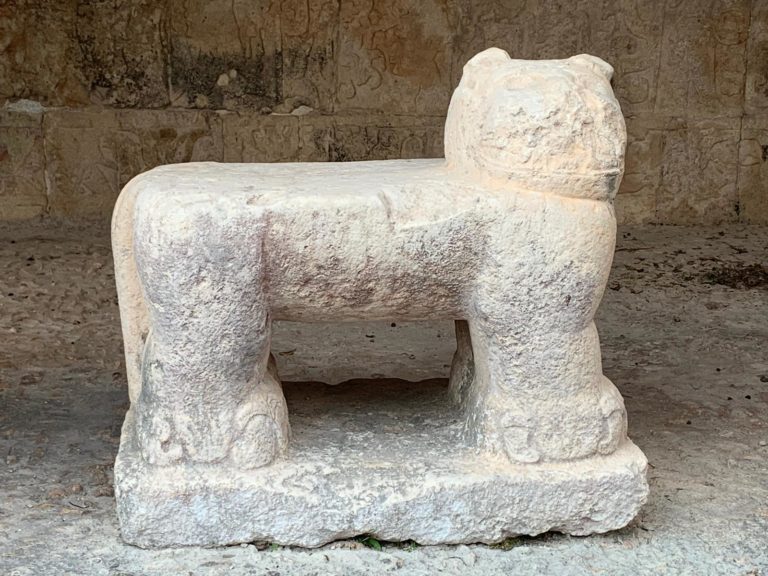
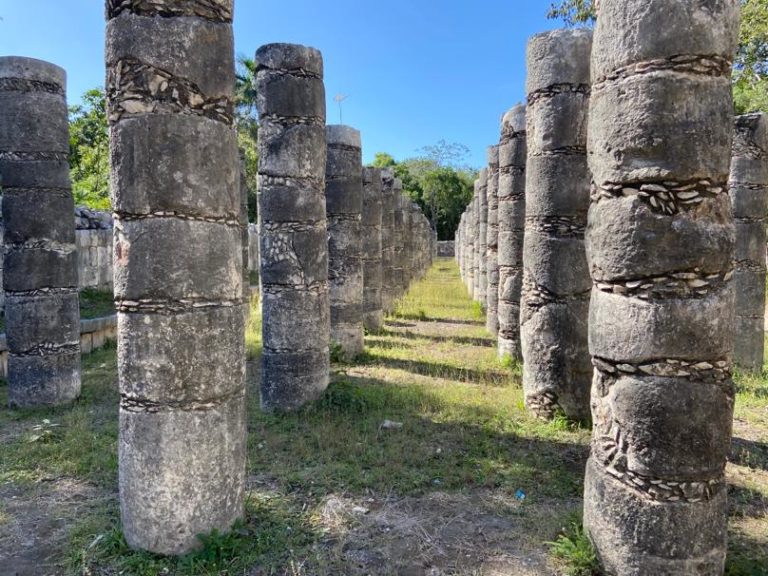
I am standing with my suitcases packed, gazing at the blue-turquoise ocean and wishing for this moment to last forever. In a few hours I will be flying back to Los Angeles, but I don’t want to go back. I want to be suspended in the intersubjectivity, created by our group here in the sacred Maya land, a place where time bends in the intertwined spaces of myth and history.

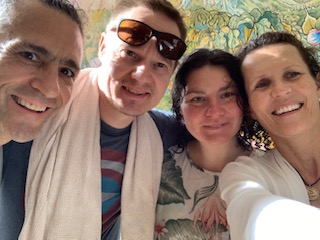
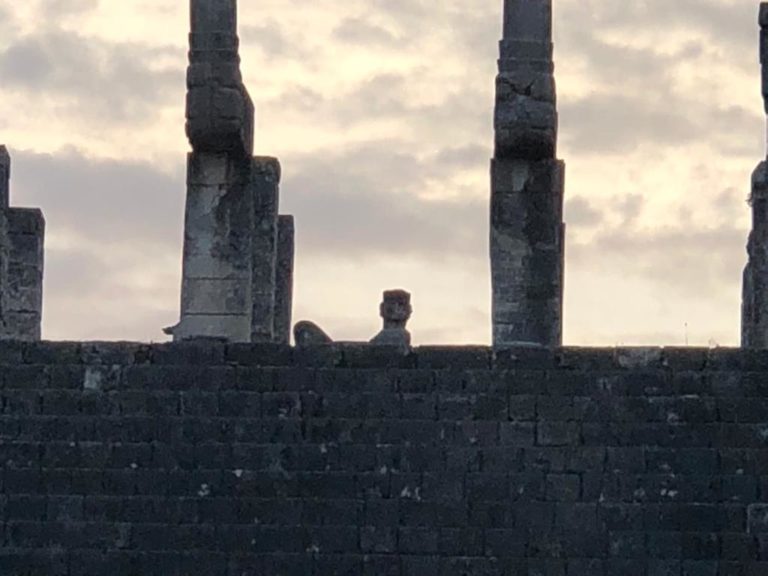
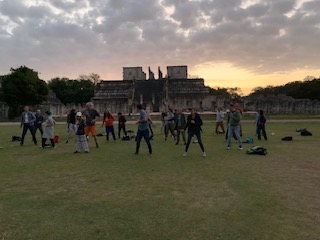
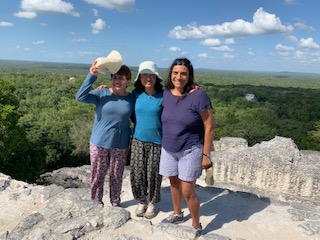
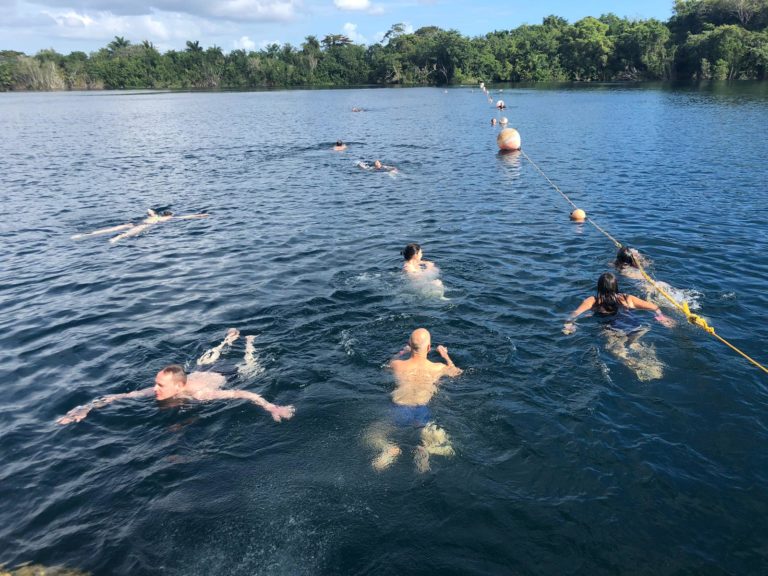
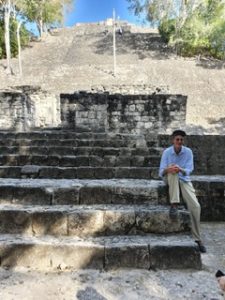
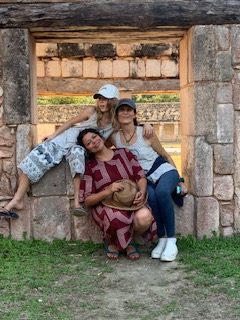
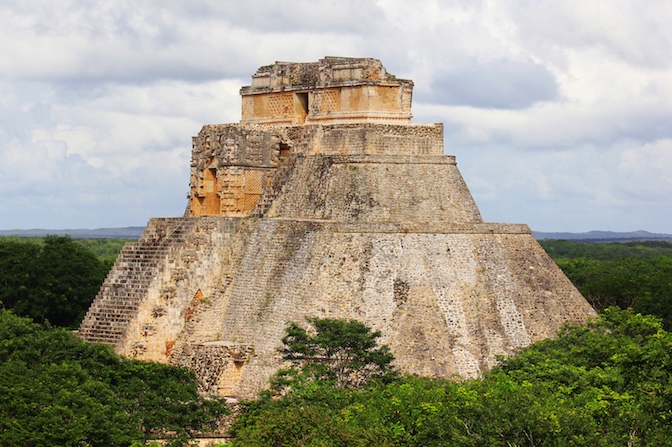
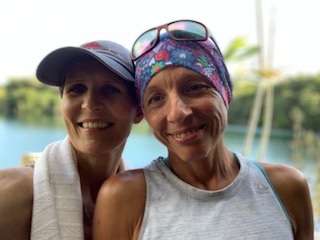
Our trip to Mexico was not a tour – it was a transformative adventure. I fell in love with each participant, each hero of this seven-day journey. Together, we took long walks, swam in pools and Cenotes, shared meals, practiced movements and sang old songs in our long drives. We slowed down thoughts and opened ourselves to listen to each other’s stories. We connected with an ancient culture that taught us about uncertainty and death. We listened to the power of the ancestors, to birds in the jungle, to the silence at the top of the pyramids. We were part of it.

The tears we shed in our goodbyes seemed to wash away all doubts about who we are. Today we face the clear sky, inhaling the sun energy inside. We are also the Maya, we are part of the dream of the plumed serpent, journeying through experiences, recognizing and remembering ourselves.

Orion still shines on top of my head, the pleiades just behind me.

On this journey I embraced my whole being, accepting my shortcoming as I accepted the curves at the edges of the pyramid, laughing at some irrational thoughts popping in my head about what might happen, and experiencing life as it is: raw, edgy, pure, wholeheartedly awesome.

My tears at the end were at realizing how well everything went, how blessed I was to be around vibrant beings shinning innocence and wisdom. I updated old interpretations about hardship and suffering. None is needed to live in this new time, 2020, a year to jump grooves.

Thank you to you all, friends and my real family, for these moments, forever sealed in my heart.

Aerin

Categories
Stories of Power Tools and Tips

To Seek Freedom is the Only Driving Force I know

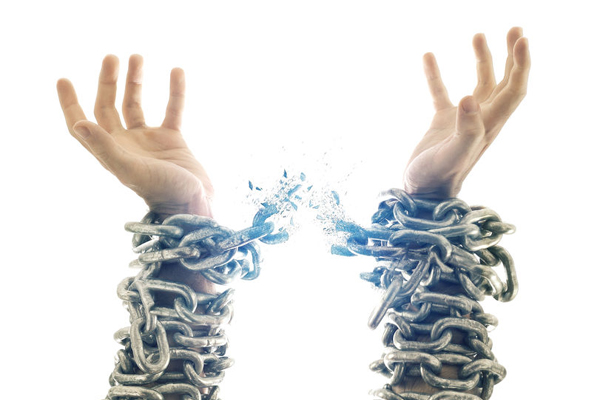
One of the main premises of the Warrior’s Way that I learned from Carlos Castaneda was Freedom. He defined Freedom as the possibility to perceive not only the world taken for granted but also to experience everything else that is humanly possible to accomplish.

When Miles and I met Castaneda twenty-five years ago, we wanted to be free. But we didn’t really know what we wanted to be free from. The quest for Freedom to perceive and experience without limitations took us on a long journey of inner discoveries and life changes. We asked ourselves, what is freedom? How does it look like in daily life? The answers are complex, multifaceted and ever evolving.

Castaneda wrote:

“To seek freedom is the only driving force I know. Freedom to fly off into that infinity out there. Freedom to dissolve; to lift off; to be like the flame of a candle, which, in spite of being up against the light of a billion stars, remains intact, because it never pretended to be more than what it is: a mere candle.”

As an example, let’s reflect about freedom in the context of gender identity. Our gender identity is given to us at birth, according to our external anatomy. From day one onwards we are conditioned and molded according to the parameters assigned by our socialization to that gender identity: who we can be, how to behave, our thoughts, feelings, ability to express ourselves, how to dress, what jobs to have, how to love. Each one of us was and is affected by the social conditioning to a different degree perhaps, but the conditioning is pervasive.

From a very young age I was taught to help my mother with household chores that included making my brother’s beds while they played outside. I wanted to play soccer outside too, but it was not proper for a girl to get her shoes dirty and bruise her legs. At the family dinner I also wanted to express my thoughts as the boys did, but I was shushed away. I was conditioned to believe that men were more important and that when men talk, women listen to them attentively, and not the other way around.

It is that type conditioning that interferes with our freedom, though circumstances may be different for each individual.

For instance, a woman might be conditioned to work hard to reach a high profile career, while in fact having a deep hidden desire to be a mom and a housewife. In many cultures, women with no career path are given very little value. And in other cultures, women without a husband are given little value.

A man can embark on a quest of being a successful high-profile lawyer, while his true desire is to be an artist or a musician. He was conditioned to believe that art won’t bring success. At times our social conditioning is so strong that we don’t know to ask ourselves the questions that let us pursue our true interests and passions, while allowing us to strive for fulfilment of our true potential and live a life of content and joy.

Rarely we have the internal space to question, Who am I? What do I want? What am I here for? To ask without feeling the rush to please our environment’s demands or what it had imposed on us. Have you discovered your true self yet? Have you asked what it desires, what are it’s passions and dreams? Or, as Carlos Castaneda would ask: “Are you on a path that has heart?.” Are you working on freeing yourself from the entanglement of expectations of others and the ideas of what is proper and acceptable? 

Let’s acknowledge, in the context of our gender identity, that men and women’s biology is different. We have the SAME VALUE, and should have the SAME RIGHTS to be ourselves, the same opportunities to study, to have careers, to fulfill our dreams as individuals, beyond gender. To be treated with fairness and respect by our society. However, our brains work differently and often our desires and ways for fulfillment are different.

Choosing to follow what is really deep hidden inside of us, our heart desire is a process of discovery and courage. It is the journey of the hero, the warrior that wants to break through the domination of the conditioning and the rules implanted in our brains, to break through the dormant auto-pilot of habits and repetitions, and be alive, be authentic and loyal to our souls’ purpose.

Freedom is to choose to be your unique YOU, even if people around disapprove of your choices; it is about going for your dreams, in spite of the obstacles. It means to embrace who you truly are, not hide it, fake it or be embarrassed by it. Freedom has a price: you will need to take responsibility for the choices you make, keep focus and sustain your purpose without giving up.

Yes, it is hard at times in our lives to change course and pursue our true desires, but it’s a worthwhile task. We invite you to consider these three open questions:

  • Did you ever knowingly change the course of your life because you listened to your true self?
  • What obstacles did you encounter along the way?
  • Did this journey enrich your life?

Share your Story.

Categories
Stories of Power Tools and Tips

What My Teacher Carlos Castaneda Taught Me About Death

My friends Tom and Susanne from Hawaii texted me last Saturday:

“For about fifteen minutes we were preparing ourselves to die. And it was real. And we were calm. What a gift. Sorry you were not here to enjoy the fun.”

I smiled and exhaled. I had arrived in Los Angeles a few days before after spending two weeks with them in Hawaii. They were OK. They were not being sarcastic. They are both highly educated therapists who retired and now live on Hawaii’s big island. They are lovely, smart and daring. For them, an encounter with Death, as they experienced when the missile threat alert rang on their phones, was a gift.

Carlos Castaneda told me that death is everywhere: at sunset, at the end of the day, there when a rose petal falls, at the bottom of the page you are reading, at the end of the breath you are taking. Thinking about death catapults us into new reflections, into a deep gratitude for the simple yet powerful act of being alive. It is, according to Castaneda, what gives warriors an edge.

Castaneda’s teachings on death were one of the main reasons I left my job, my boyfriend, my tribe and my life in Buenos Aires and moved to Los Angeles 23 years ago. I read his books when I was a teenager and I had the opportunity to meet him and work with him. His teacher, Don Juan Matus was a Yaqui from Sonora, Mexico and the leader of a lineage of Seers. Don Juan passed on his knowledge to Castaneda, and he passed it on to me.

Throughout the years of my apprenticeship with Castaneda, he talked about death often. He would say death is a reminder to be alert, a reference point to behave with kindness, a push to set priorities, an inspiration for change or to shake off the pettiness of daily concerns.

I often found myself caught up in self-defeating thoughts, worrying about the little details of daily life such as stressing about my school papers, my performance at work and what others would think of me or the extra 15 pounds I couldn’t get rid off. He observed my turmoil and asked me:

“Since the worst that can happen to you is already happening, you are going to die someday, so then how important is really your internal turmoil? Truly, think about it.”

The presence of death and the fact that I didn’t know when and how I would die helped me shake off my self-concerns and bring clarity, determination and a sense of purpose to my actions.

“What do we really have, except life and our own death? The thing to do when you’re impatient, don Juan told me, is to turn to your left and ask advice from your death. An immense amount of pettiness is dropped if your death makes a gesture to you, or if you catch a glimpse of it, or if you just have the feeling that it is there watching you.”

Once, during one of my first lunches with Castaneda and his colleagues at a restaurant in Santa Monica, he asked me: “What do you think is worth thinking of?”

“Death,” I said. I was not trying to please him or to get away with an easy answer. I had experienced death as the loss of loved ones, as a final end that had left me with unresolved emptiness and sadness, an anguish hard to unglue. I avoided reflecting or even thinking about death, and yet, there I was, sitting next to Castaneda on my quest to learn more about death.

An array of memories came to my foreground when he turned all his attention towards me, curious to know more about it.

I shared with him a few encounters with death that were still present in my body. The first time I encountered death, I was eight-years-old and I got sick with rheumatic fever. I spent a year bedridden with high fevers. In one instance, I had an “out of the body” experience where I saw myself literally separated from my body, above the bed looking at myself down in bed.

The second experience I had with death was when I was 14. I found dead bodies floating in the La Plata River in Buenos Aires, during the military dictatorship that tortured and murdered thousands of innocent people.

Then, when I was 17 years-old, I was leaving town with my friends to spend the holidays at the beach. Their car was kind of small for six people and I didn’t fit. My mother didn’t let me drive with them and I had to drive with my aunt and my cousin. On the freeway, on the way to the beach, my friends’ car crashed into a truck and all five of them were killed instantly.

A couple years after that incident, I fell on the floor of a disco when dancing drunk and I had a convulsion. My heart literally stopped beating for a few seconds and I cut my head severely.

After that incident, it took me a few years to come back to my body. I slowly shifted my life completely. I started eating healthy, I changed my job, I changed my friends. I started to show interest in healing modalities, in inner growth, and in spirituality. It all led me to meet Castaneda in 1995.

“Death has touched you and you have been giving a second chance” he told me that day at the restaurant. “Our encounter with death is inevitable; it will happen. The question is for you, which is the question for all of us, how will you go to the encounter? How are you going to use your time?”

Categories
Stories of Power Tools and Tips

What Castaneda Taught me About the Warrior’s Way

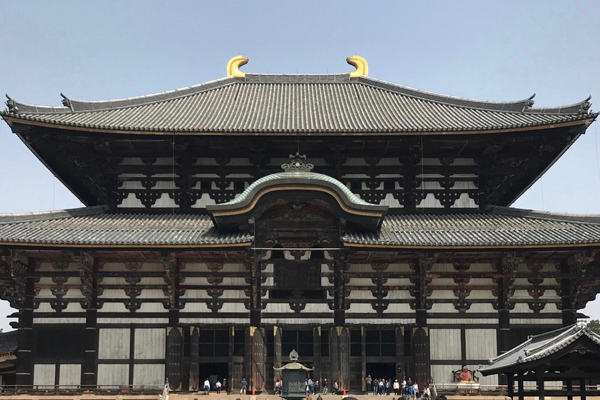
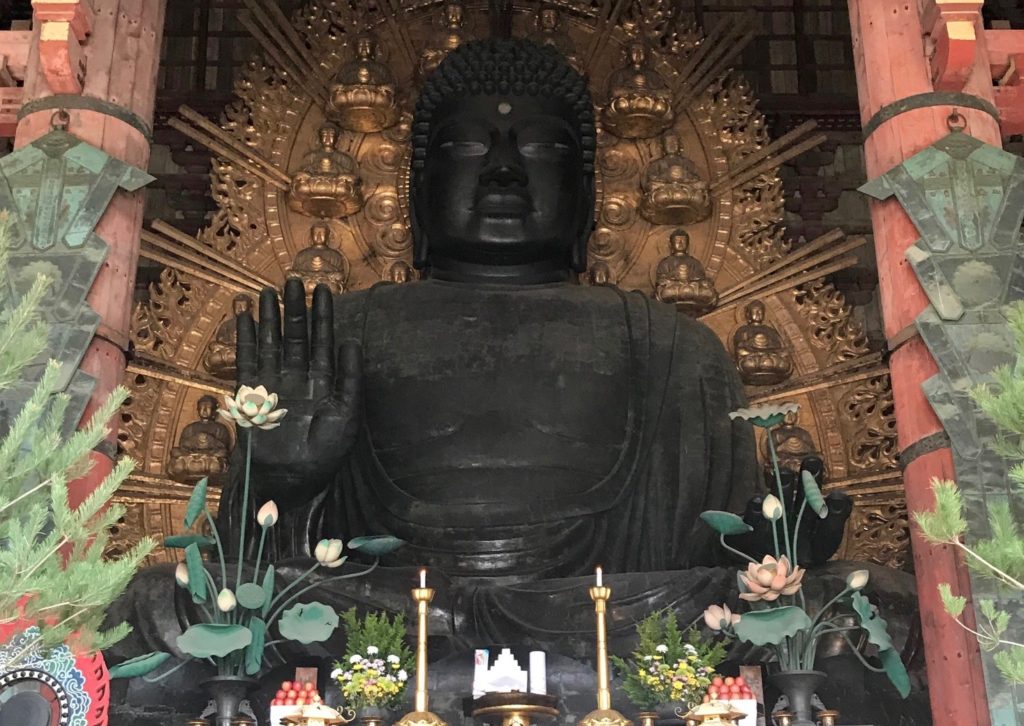
While at Todai-ji, the temple in the city of Nara, I was mesmerized looking at the largest Buddha ever built in bronze, when the concept of the “Warrior’s Way” jolted my memory.

The Warrior’s Way was the framework Carlos Castaneda used to describe living life with impeccability and purpose. It consists of a series of premises and behaviors to have direction in one’s life, like experiencing meaningful relationships and acting with clear intentions.

Meaning, purpose, and direction were what my life was lacking when I met Castaneda. It was 1995, and I had decided to move from Argentina to the US to study this way of being, which became an integral part of my life.

The premises in the Warrior’s Way include the impeccable use of one’s attention for enhancing one’s life, and specific behaviors to live life with vitality and daring, such as regular exercises, practices for enhancing the ability to focus and redirecting one’s thoughts, cultivating inner silence, using food to develop one’s perception and health, working with intention, and sharpening the physical body as the perceiver.

The memory of my first years under Castaneda’s rigorous physical training flowed through my body as I was watching the Buddha.

I had arrived in Tokyo three days prior with my ten-year-old son, to join a couple of friends and a guide to do a ‘mystical’ journey visiting large temples in the main cities of Japan. We took a train from Kyoto to Nara to visit the Great Buddha Hall, which is the largest wooden structure in the world built to protect this Buddha.

I felt dizzy from the jetlag and the long hours we spent on trains from Tokyo to Mount Fuji to Kyoto. Nonetheless a feeling of wonder was growing in me. The trains were crowded and sometimes we waited in long lines. Eventually, they moved faster, holding a mood of respect and acknowledgment for the other.

All transportation showed up on time, and, unlike many cities with large volumes of tourism, no trash was visible anywhere. The streets of Kyoto were ‘dressed’ by the cherry blossom trees blooming, smelling sweet, like the first taste of ice cream. They exuded a pinkish-white color that looked like kindness. Japan, in my first impression, radiated life, purpose, and a mood of reverence that nurtured my soul. It resonated in me as the mood of a warrior.

After feeding the deer that roamed the grounds of Todai-ji, which are regarded as messengers of the gods, we passed the first gate of the temple. As I had done in the previous temples, I washed my hands and mouth from the wheel of the dragon.

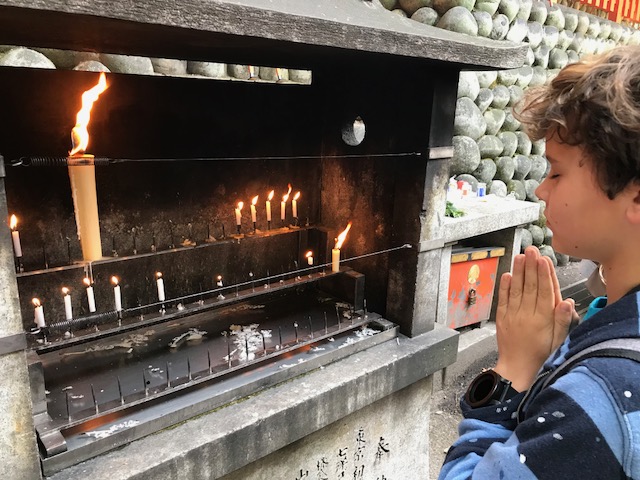
A large pit with burning incense was the next step. I held the fire in the white candle and I placed it at the feet of the Buddha in gratitude for our Path with Heart community. The sunlight was entering the temple and I inhaled it through my mouth, as Shanti, my guide and a Mayan leader, taught me.

Each step towards the Buddha served to quiet my thoughts and moved my attention to a growing sentiment of vulnerability and amazement. As if every moment in my life had been built for me to arrive to Todai-ji and experience the majesty of the warrior. The words of Castaneda kept rushing fresh into my mind:

“A warrior must cultivate the feeling that he has everything needed for the extravagant journey that is his life. What counts for a warrior is being alive. Life in itself is sufficient, self-explanatory and complete. Therefore, one may say without being presumptuous that the experience of experiences is being alive.” – Carlos Castaneda

I was alive, and aware. My son asked me if Buddha had been also a child, and what happened to him to become a Buddha. What did he do? he wondered. I an attempted to say something coherent to his age and level of understanding. He may have noticed my struggle because he interrupted my thinking and said: “I think I got it. Buddha just kept meditating.”

We walked behind the Buddha and found a line of people “trying to pass through” a hole of the same size of the nostrils of the Buddha. People believe that if one got through the Buddha’s nostrils, one was blessed with his breath. (See video)

We left the temple filled with reverence and gratefulness.

Castaneda used to tell me about his experiences with Kowayashi, a Japanese mentor he had, before meeting don Juan Matus, his spiritual teacher. He said that Kowayashi was the first one that taught him about a specific aspect of the Warrior’s way: Living with simplicity. Castaneda was a master at that. Except for a chair, a couch and a TV, his house had no furniture, no paintings on the pale walls, no mirrors, no decorations.

There were large, clear spaces to practice movements and silence. In his closet, which I once peeked in, he had 2 pairs of jeans, a few t-shirts and 2 tailored suits. All of his cabinets had just a few items. There was breathable space everywhere through out the house, filled with purpose and silence.

My hostel room in Kyoto had two futons that we rolled during the day to set a small table on the tatami for snack and breakfast. The absence of objects and material belongings is what made the space hold a particular calm and peace. It was a reminder of living the beauty of simplicity and the purpose of strength knowing that “the experience of experiences is being alive.”

One action I took when I got back to Los Angeles was to let go of extra material belongings. I am in this process now, creating spaces for silence to flow through.

Categories
Stories of Power Tools and Tips

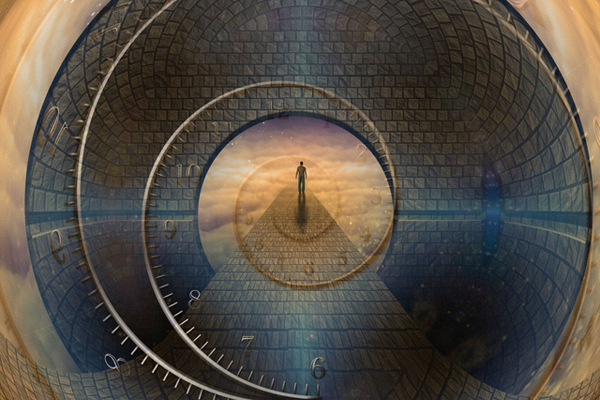
What Carlos Castaneda Taught Me About Time

Time it is like a thought, or a wish.

Time is measured by the intensity of the moment you are living.

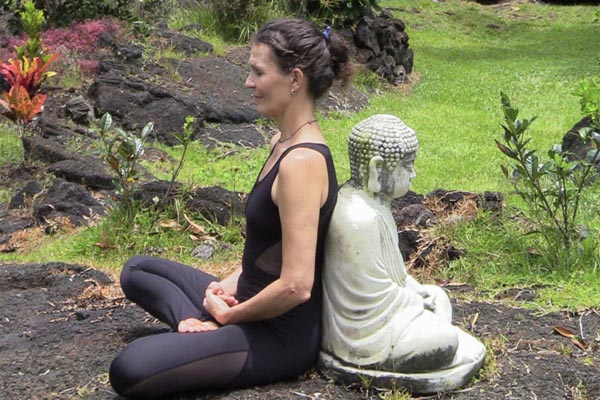
Time suspends when experiencing inner silence.

Time is a form of attention.

Time is not measured by the clock.

Time bends when you pay attention.

It is 5 to 12, I am running out of Time!

I am living in no Time. I am facing the oncoming Time.

These are some of the phrases I heard Carlos Castaneda expressed from the moment I met him. He expressed his concerns about time; he re-defined his relationship with time, and hechallenged the idea of time, daily.

Castaneda was on time for each appointment; he didn’t like other people waiting for him. And he was not expecting anyone. Time, how to handle it, how to stretch it, how to experience non-linear time was an intrinsic part of my training with it.

In a calm and sober way, he spoke about his own death as if it were something imminent that would happen in a matter of days or minutes. And yet he acted as if he had all the time in the world.

He was never in a rush or hurry, relaxed at ease, enjoying his meals, there was no hurry in his mood, even when under the pressure of his books presentations or the pressure of delivering a talk in a conference to hundreds of people. He took his time to walk to the stage to deliver his thoughts, with his hands on his pockets and an open expression of ease and cool. He took his time to feel the audience laughter at his jokes and remarks, to answer questions, to engage eye to eye as if truly connecting with people.

Every day of my training with him was filled with the intensity of learning to stop unconscious habits and new ways of behaving, of being. My days felt long, as if stretched out by the intention to arrive to “enlightment” as soon as I could, before he died.

In the early mornings I went to school to learn English, then I worked at his company, then I engaged in physical training at his studio for another 3 or 4 hours, for the rest of the evening. But my routines were not regulated by time, or my time was not regulated by routines, or by the handles of my watch, as it was while living in Argentina. During my apprenticeship I had no routines, since Castaneda would change schedules often and I learned to flow with the daily events, as if facing the oncoming time.

Because I was in a new country, learning a new language, eating unfamiliar foods, and living with people I barely knew, I felt as if suspended in time.

I gave myself permission to ‘disappear’ for a while from the ‘real world,’ like some writers do to write a novel, or some people do after retiring to grow spiritually, and I relinquished my time to follow a different time.

I experienced suspension of time during the long hours of practicing sequences of movements, like martial arts, and long hours of sitting in silence. After overcoming my initial resistance, both physically with my muscles trembling and being out of breath, and mentally with self-defeating thoughts “I can’t do this’, ‘this is way too long,’ ‘I want to go home, sleep, eat tacos, etc”, I experienced states of extasis.

A rush of well being and vitality would flow through my body renewing the joy of my joints moving in unison, the happiness of my lungs fully expanding, the fresh blood oxygenated running through all the blood vessels and cells in my body, removing waste, detoxifying, revitalizing my right to belong here, in this planet at this time.

After long periods of exercises practiced in slow motion, I could experience the tasteful sweetness of calm, and the assurance that I was loved.

Later I started to experience those states when pruning the tress and working in the garden. Or when having lunch with friends, or even at the movies. Or when awakening into the morning, aware of the uniqueness of the day, gratefully aware, sitting at the edge of my bed, closed eyes, taking in the first inhalations of the day, feeling my heart beating, my skin soft and warm, some birds singing at the distance, the honk of the neighbors car, the newspaper throw of the street, the smell of toast, the children laughter passing by on the way to school, the splash of water my husband in the shower, my son at the piano playing Ode to Joy.

The experience of awaken vitality keeps flowing through me as if my teacher had create a vortex through which all experiences are one and Time is just a small part of the constant flow of life that keeps happening in and out of me.

CARLOS CASTANEDA’S NEW YEAR’S RITUAL

Here is the ceremony that our teacher Carlos Castaneda taught us:

It starts during the last days of December, and finishes after the clock strikes midnight on January 1st. Castaneda would tell us that, at midnight, the light of Spirit or the Universe comes and “watches us”—a force descends upon us, forged by the combined intent of the planet over millennia, and this is a very powerful moment to be present and aware—to feel and become acquainted with.

We have been practicing this ritual without failure for the last 23 years and it has brought us, and countless practitioners around the world, a sense of direction, purpose and inspiration to unfold our goals and intentions for the New Year, as well as a sense of connection with the cycles of nature and the entire planet.

We hope that the benefits ripple out through your life, your relationships, your community and the world.

The steps are these:

  • Clear out the old before the New YearRenew from the inside out. From December 28 onwards, and even throughout the day of December 31, clear up space in your home. Remove clutter, donate clothing that you aren’t using anymore, clean out and organize cabinets and drawers, and vacuum your floors; water your plants—all with a feeling of openness and readiness. The aim is to clean your home, physically and also energetically, to clean your psyche from negative thoughts and feelings accumulated during the year so that you can be receptive for the New to come in.
    • Throw things away that are not needed any longer or that are not bringing you joy
    • Write down all negative thoughts in a piece of paper, writing in a flow and without reading back what you wrote. When you feel you have put all out, burn the piece of paper and wash you hands.
    • Practice affirmations out loud, of appreciations for your life, for you belongings, for your friends and family
  • On December 31, before midnight, attend to your desk or personal space. Organize your books and papers, and clear space so that you can comfortably sit to write a list of Intentions, affirmations, dreams and projects you want to manifest or co-create in 2019. Sit in Silence and call onto the light of Spirit, to clear your mind and body and to connect deeply with yourself.
  • Next, take a pen or pencil and piece of paper, and get ready to LISTEN TO YOUR HEART
    • Recapitulate the most salient experiences that happened in your life during the year, and appreciate what you learnt in 2018. What challenges did you experience? What was the outcome? What new friends did you make? What new things did you learn, for example, a new recipe, a new skill, a new language? And what would you like to learn in 2019? You may choose to divide your year in basic areas, such as family, work, health, relationships and personal development:
    • How was your health in 2018 and what would you like to intent for 2019?
    • What about your work? What experiences did you have? What new projects you have in mind for 2019?
    • And in your family and relationships? What new relationships have you established? What came to a close? What needs to be healed?
    • What about your legacy? Write a paragraph describing what you would like your legacy for 2019 to be.
    • And about the larger community of planet earth, what dreams for a better world would you like to intend?

Listen to your heart, and follow with your pen the wisdom of your heart.

  • Around 11:30 p.m. (it’s almost midnight!)Sit in silence with your hands in your heart and appreciate your life. You can put your attention on items from your 2019 Intentions—those things that you want to experience in the next year. Sit with it as long as you like, making sure by the time the clock strikes midnight it finds you engaged in some practical aspect of your intentions (researching something, preparing some initial plans, etc) and that you feel connected with them, with your personal life path, and with the Universe.

At midnight, during the first minutes of the New Year, let the wave of your dreams bathe over you with a sentiment of peace, love and gratitude.